Knowing action words for journeys and trips helps you speak English more naturally. In this blog post, you will learn Travel Verbs in English with their meanings and pictures to help you understand and remember each verb easily. These travel verbs describe common actions like explore, pack, board, and navigate. When you use them correctly, your speaking becomes more confident, your writing clearer, and your reading and listening skills stronger. Keep reading to learn practical verbs that will make your English more useful while traveling and expand your vocabulary.
What Are Travel Verbs in English?
Travel verbs are action words that describe things people do when they move, visit, or explore places. These verbs can be used in sentences about vacations, business trips, or daily travel routines. For example:
- Travel: to go from one place to another
- Fly: to move through the air in an airplane
- Pack: to put clothes and items in a bag
Travel verbs make it easier to explain journeys, activities, and plans in English.
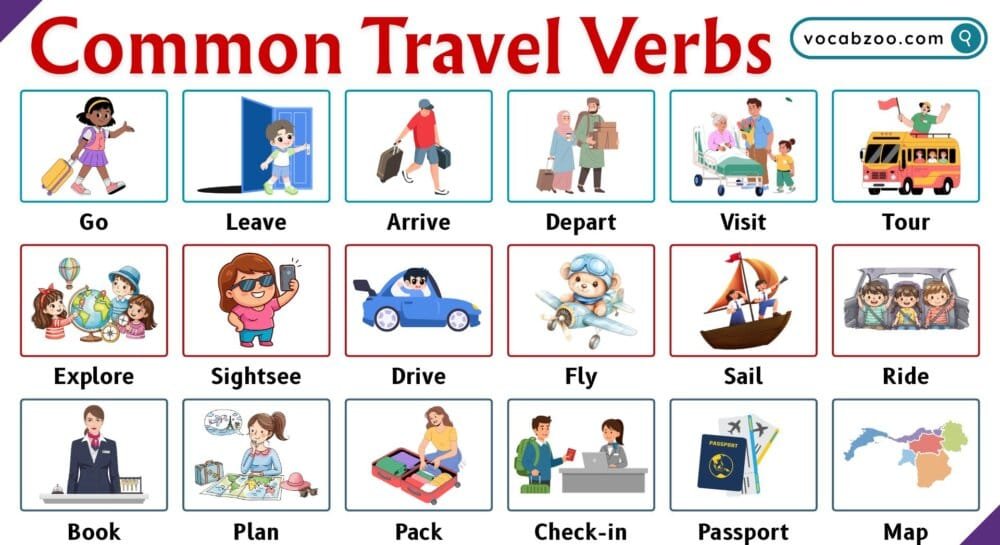
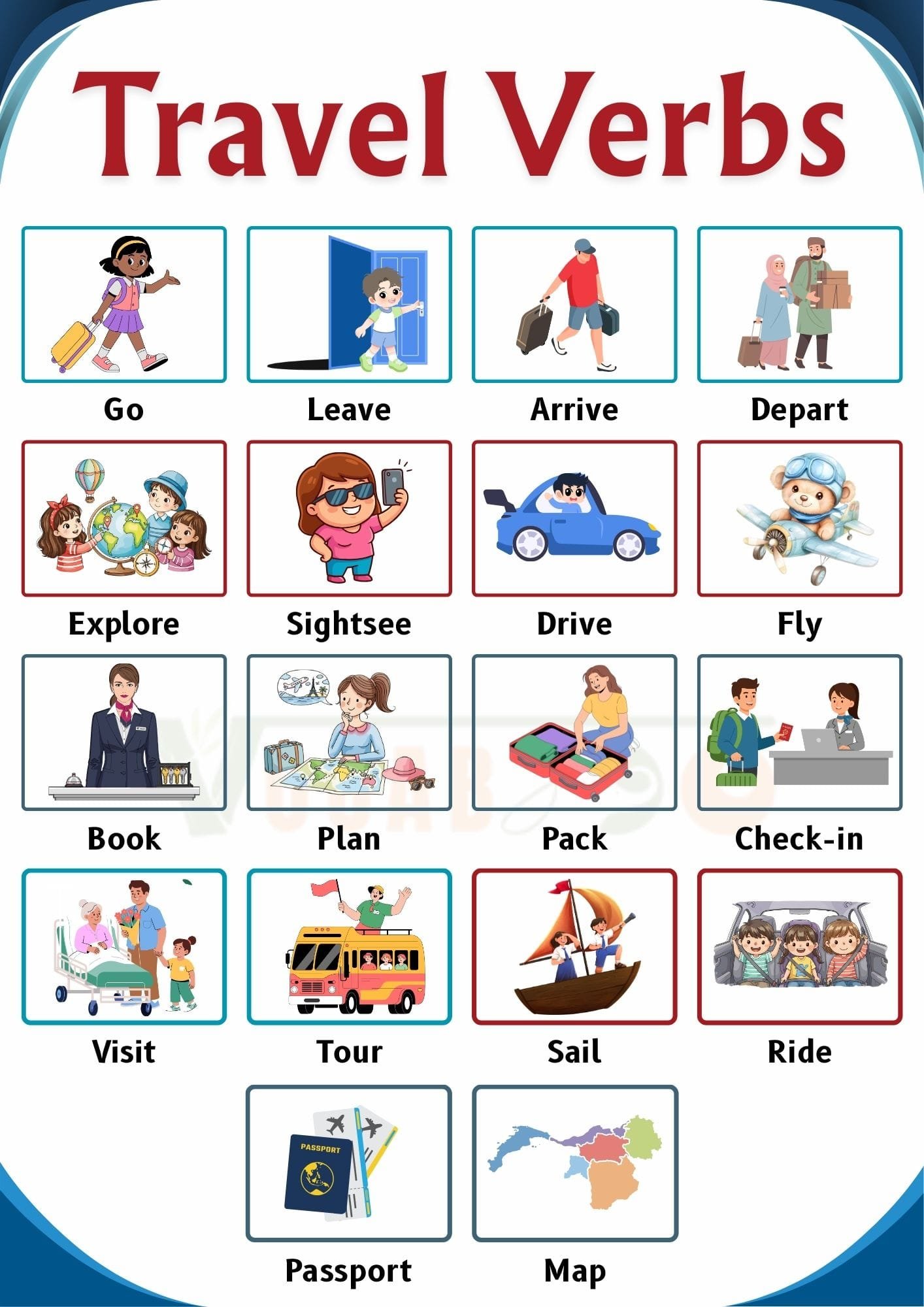
Common Travel Verbs in English with Pictures
Here are some common travel verbs divided into categories for easy learning. Each verb has a meaning and an example sentence.
Going and Leaving
Go
To move from one place to another.
I go to the airport early in the morning.

Leave
To go away from a place.
We leave the hotel at 9 a.m.

Arrive
To reach a place.
They arrive at the train station on time.

Depart
To start a journey.
The flight departs at 7 p.m.

Exploring Places
Visit
To go to a place for sightseeing.
We visit the museum on Sunday.

Tour
To travel around a place to see attractions.
They tour the city by bus.
Explore
To look around a new place.
I explore the old town streets.

Sightsee
To see famous places or landmarks.
She loves to go sightseeing in Paris.

Transport Actions
Drive
To control a car or vehicle.
He drives to the mountains.

Fly
To travel in an airplane.
We fly to London every summer.

Sail
To travel on a boat or ship.
They sail across the lake.

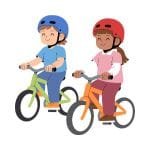
Ride
To sit on and control a bike or vehicle.
I ride a bicycle in the park.
Booking and Planning
Book
To reserve tickets, hotels, or trips.
I book a hotel online.

Plan
To arrange your trip or activities.
We plan our holiday in advance.

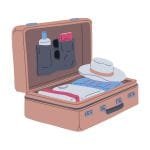
Pack
To put clothes and items in a bag.
She packs her suitcase carefully.
Check-in
To register at the airport or hotel.
We check-in at the airport counter.

Travel Verbs in Different Contexts
Travel verbs can be used in different situations:
- Vacation Trips: We visit museums and explore beaches during holidays.
- Business Travel: He books flights and attends meetings in another city.
- Daily Commute: She drives to work and rides the bus to school.
Using the right verb in the right context makes your English sound natural and clear.
Conclusion
Knowing travel verbs helps you communicate your journeys clearly. These verbs cover actions like going, exploring, booking, and using transport. Practicing them in sentences improves both speaking and writing skills. With these verbs, you can confidently talk about trips, vacations, and daily travel activities. Start using these verbs with pictures and examples to remember them better.
FAQs about Traveling Verbs
What are travel verbs in English with meaning?
Travel verbs in English are action words used to describe activities while traveling, such as go, explore, visit, fly, book, and pack. They help explain moving, sightseeing, planning trips, and using transport clearly.
Why do we use the verb “sightsee” in English?
Sightsee is used to describe visiting famous places or tourist attractions.
What are verbs for travel and holidays?
Verbs for travel and holidays describe actions during trips, like tour, sightsee, depart, arrive, check-in, and ride. These verbs show how people move, explore, and enjoy their vacations.
How do we use the verb “book” in travel?
Book is used when you reserve tickets, hotels, or trips before your journey.
What is the meaning of “check-in” in travel?
Check-in means to register at an airport or hotel before starting your trip.
Read More:
- Verbs for Kids in English with Easy Examples
- Cooking Verbs in English with Pictures
- 200+ Irregular Verbs List in English with PDF