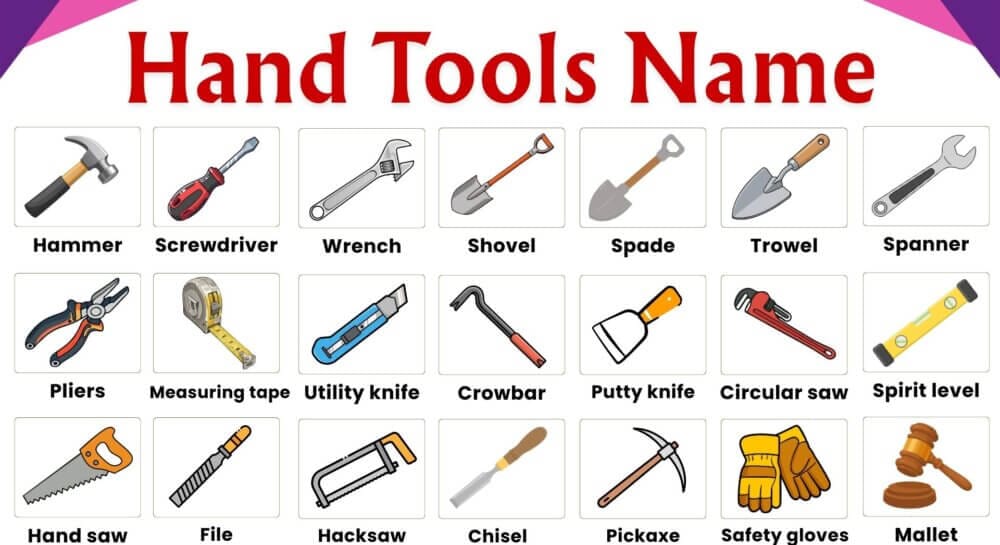
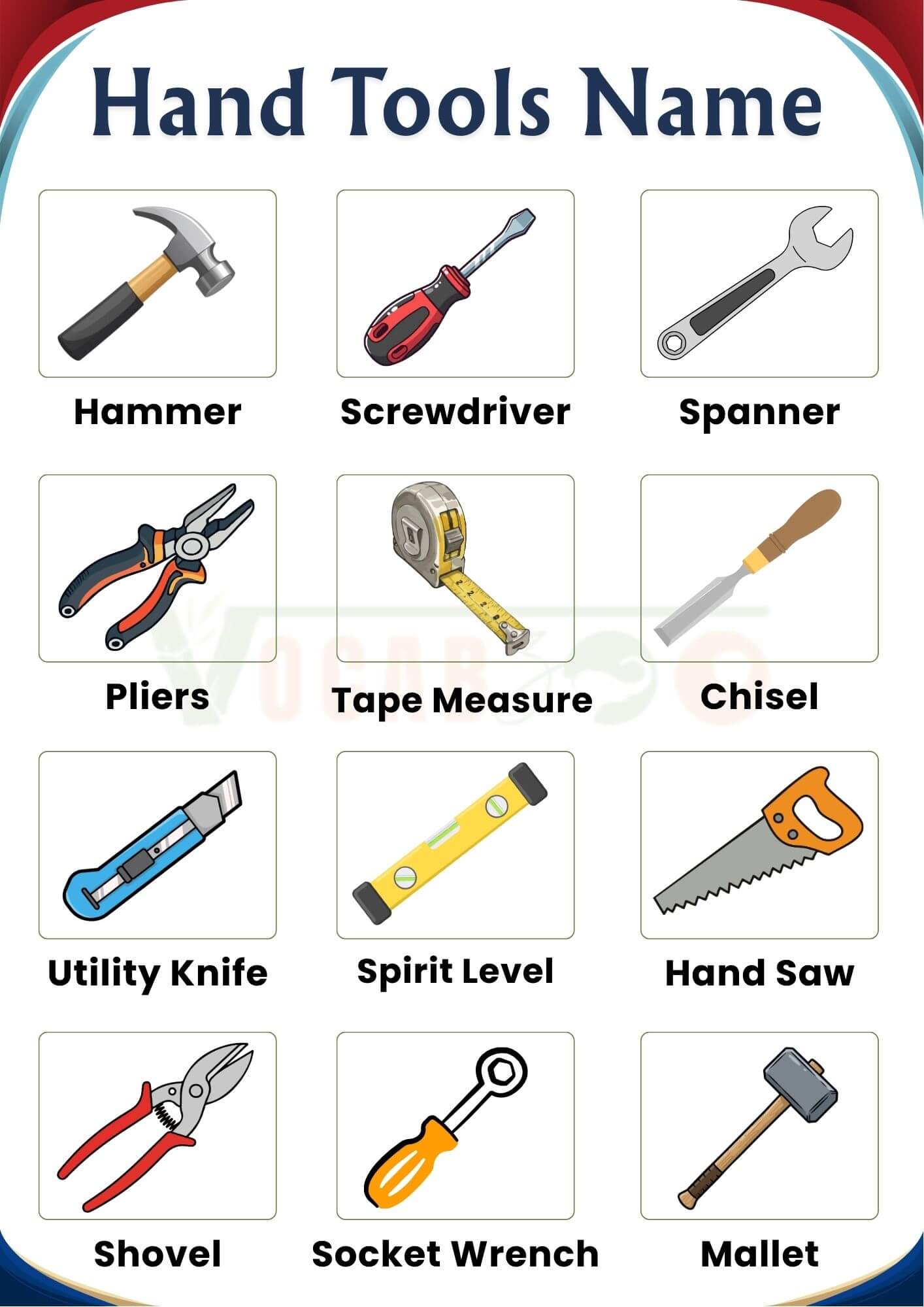
Hand tools are used in homes, workshops, and many types of repair work. In this blog post, you will learn 26 Hand Tools Name in English with pictures to help you recognize and remember each tool easily. These hand tools are important for fixing, building, and daily tasks. When you understand their correct names, you can follow instructions better and speak with more confidence. Learning these words will also strengthen your vocabulary and improve your reading, writing, and listening skills. Keep reading to learn the essential tool names that will help you communicate more effectively in real-life situations.
What Are Hand Tools?
Hand tools are manual tools that work without electricity or fuel. They are operated by hand and are useful for small to medium tasks. Hand tools are used in carpentry, plumbing, gardening, metalwork, and home repairs.
In English, hand tools are often mentioned in:
- Daily conversation: Please pass me the hammer.
- Technical instructions: Tighten the screw using a screwdriver.
- Learning and training: Students identify tools with pictures.
Common Hand Tools in English with Pictures
These are the most basic, useful, and frequently used hand tools.
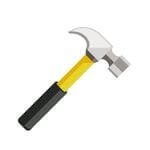
Hammer
Used to drive nails and remove them with the claw end.
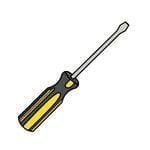
Screwdriver
Tightens or loosens screws; comes in flathead and Phillips types.
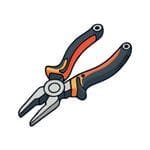
Pliers
Grips, bends, or cuts wires and small objects securely.
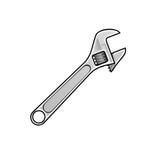
Adjustable Wrench
Fits different sized nuts and bolts for tightening or loosening.
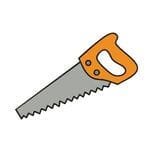
Hand Saw
Cuts wood and soft materials using sharp teeth.
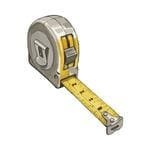
Tape Measure
Measures length, width, and height accurately.
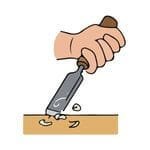
Chisel
Removes or shapes wood, stone, or metal surfaces.
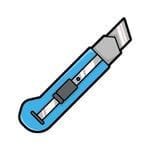
Utility Knife
Cuts paper, cardboard, plastic, and thin materials safely.
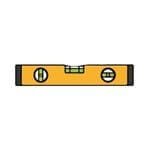
Spirit Level
Checks if a surface is straight or balanced.
Claw Hammer
Hits nails and removes them using the curved claw.
Types of Hand Tools by Their Use
Cutting Hand Tools
These tools are used to cut, trim, or shape materials.
- Hand Saw: cuts wood and plastic using long sharp metal teeth.
- Hacksaw: cuts metal pipes, rods, and hard plastic materials.
- Chisel: removes wood or stone by pushing or hitting carefully.
- Utility Knife: makes clean cuts on soft and thin materials.
- Tin Snips: cut thin metal sheets with controlled hand pressure.
Striking and Hitting Tools
These tools are used for hitting, breaking, or shaping objects.
- Claw Hammer: drives nails and removes them using curved claw end.
- Mallet: hits surfaces without damaging wood or soft materials.
- Ball Peen Hammer: shapes metal and strikes punches or chisels.
Turning and Tightening Tools
These tools help turn, tighten, or loosen fasteners.
- Flathead Screwdriver: turns screws with straight single-line slots.
- Phillips Screwdriver: turns cross-head screws commonly used in furniture.
- Allen Key (Hex Key): tightens hexagonal socket screws in machines and furniture.
- Adjustable Wrench: fits different nut sizes with movable jaw.
- Socket Wrench: tightens nuts quickly using removable socket heads.
Gripping and Holding Tools
These tools are used to hold, grip, or pull objects safely.
- Needle Nose Pliers: grip small items and reach tight spaces easily.
- Slip Joint Pliers: adjust jaw size for gripping different objects.
- Locking Pliers: lock onto objects firmly without hand pressure.
- C-Clamp: holds wood or metal pieces together during work.
Measuring and Marking Tools
These tools help with accuracy, alignment, and marking.
- Measuring Tape: measures distance, length, and size clearly.
- Steel Ruler: measures short lengths and draws straight lines.
- Spirit Level: checks if a surface is straight or balanced.
- Try Square: checks right angles in wood and metal work.
- Marker Pencil: marks measurements clearly on surfaces.
Shaping and Finishing Tools
These tools help smooth, shape, and finish surfaces.
- File: smooths rough metal or wood surfaces carefully.
- Rasp: shapes wood quickly using rough cutting teeth.
- Sandpaper: smooths surfaces and removes small imperfections.
- Plane: levels and smooths wooden surfaces evenly.
Conclusion
Learning the list of hand tools name in English with pictures improves vocabulary and practical knowledge. These tools are easy to recognise, simple to use, and very helpful in everyday tasks. Knowing their names and uses builds confidence and clear communication in real-life situations.
FAQs about Hand Tools Name
What are the names of hand tools?
Common hand tools names in English with pictures include hammer, screwdriver, pliers, wrench, hand saw, tape measure, chisel, utility knife, and spirit level. These tools are widely used for fixing, cutting, measuring, and holding materials.
What are the 10 types of hand tools?
Ten important hand tools are hammer, screwdriver, pliers, adjustable wrench, hand saw, hacksaw, tape measure, chisel, spirit level, and utility knife. Each tool has a specific role in building, repair, and maintenance work.
Which hand tools are commonly used in construction and building work?
Construction work often uses claw hammer, trowel, spirit level, measuring tape, chisel, adjustable wrench, and pliers. These hand tools help in measuring, aligning, fixing, and shaping building materials.
What hand tools are used for cutting materials?
Cutting hand tools include hand saw, hacksaw, utility knife, chisel, and tin snips. These tools are used to cut wood, metal, plastic, and thin sheets accurately.
Which hand tools are used for tightening and loosening nuts and screws?
Tools like screwdriver, adjustable wrench, socket wrench, and Allen key are used for tightening and loosening screws and bolts in furniture, machines, and building work.
What basic hand tools should every beginner know?
Every beginner should know hammer, screwdriver, pliers, tape measure, hand saw, and utility knife. These basic hand tools are easy to use and helpful for daily repair tasks.
Read More:
- 120 Scientific Instruments Names
- String Instruments List with Pictures
- Instruments Names in English with Pictures