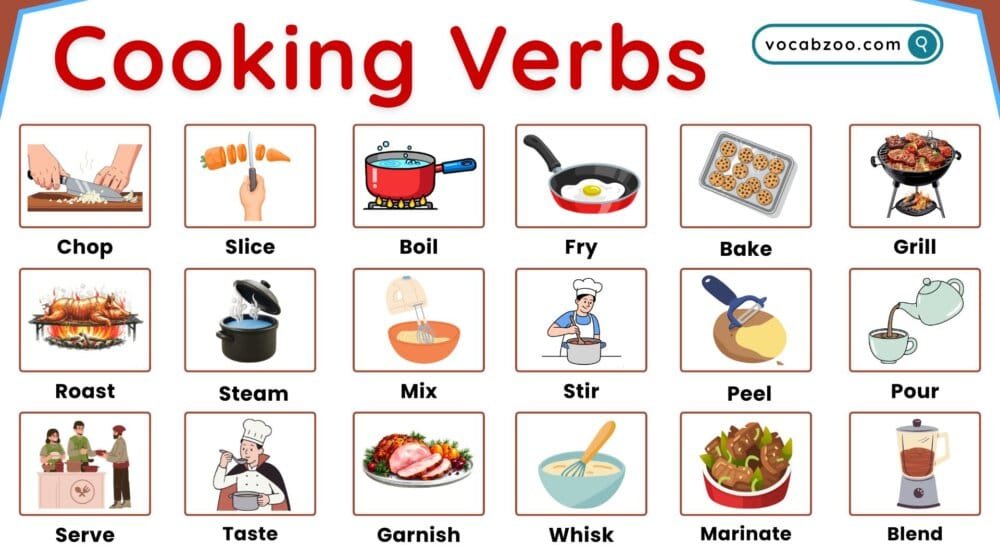
Cooking is an everyday activity, and knowing the right Cooking Verbs helps you talk about recipes and food preparation with confidence. In this blog post, you will learn common cooking verbs in English with pictures and useful examples. These action words describe what we do in the kitchen, such as cutting, boiling, frying, and baking. When you understand and use these verbs correctly, you improve your vocabulary, speaking, writing, reading, and listening skills. Learning the right words helps you follow recipes easily and explain cooking steps more clearly. Keep reading to learn and use these helpful kitchen verbs in daily conversations.
What Are Cooking Verbs in English?
Cooking verbs are action words that show how food is prepared, cooked, or served. They explain actions such as cutting vegetables, heating food, or mixing ingredients. These verbs are mostly used in recipes, cookbooks, kitchen instructions, and daily conversation about food.
In simple words, cooking verbs tell us what action to do with food.
List of Cooking Verbs in English with Pictures
Below are some common and important cooking verbs, often shown with pictures and examples in sentences:
Chop
Cut food into small pieces using a knife
- Please chop the onions before I start cooking.
- I usually chop vegetables while the rice is cooking.
Slice
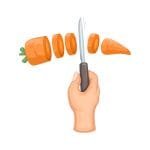
Cut food into thin, flat pieces carefully
- Can you slice the tomatoes for the salad?
- She sliced the bread evenly for breakfast.
Boil
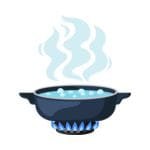
Cook food in hot water until bubbles appear
- Boil the eggs for ten minutes.
- I need to boil some water for pasta.
Fry
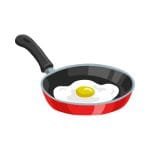
Cook food in hot oil or butter
- I will fry the eggs for breakfast.
- She fried the chicken until it turned golden.
Bake
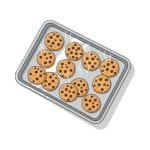
Cook food using dry heat in an oven
- I plan to bake a cake this evening.
- She baked bread at home today.
Grill
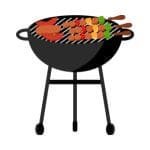
Cook food over direct heat or fire
- Let’s grill some vegetables for dinner.
- He grilled the fish outside in the garden.
Roast
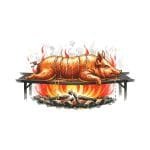
Cook food slowly in an oven with heat
- We will roast the chicken for lunch.
- She roasted potatoes with herbs.
Steam
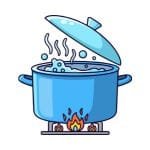
Cook food using hot steam from water
- I prefer to steam vegetables to keep them healthy.
- She steamed the rice perfectly.
Mix
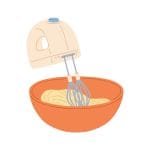
Combine ingredients together evenly
- Mix the flour and sugar in a bowl.
- He mixed all the ingredients well.
Stir
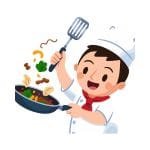
Move food around with a spoon
- Stir the soup slowly so it does not burn.
- She stirred the sauce while cooking.
Peel
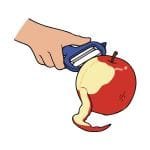
Remove the skin from fruits or vegetables
- Please peel the potatoes first.
- I peeled the apples for the pie.
Pour

Move liquid from one container to another
- Pour the milk into the cup carefully.
- She poured the soup into a bowl.
Serve
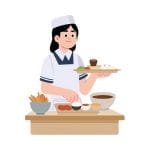
Put food on plates for eating
- Let’s serve dinner now.
- She served the meal while it was hot.
Cooking Verbs by Food Preparation Type
Cutting and Preparation Verbs
These verbs are used before cooking starts.
- Chop: cut food into rough, medium-sized pieces
- Dice: cut food into small, equal cubes
- Slice: cut food into thin, long pieces
- Peel: remove outer skin from fruits or vegetables
- Grate: rub food against a grater into fine pieces
- Trim: remove unwanted parts from food
Mixing and Combining Verbs
These verbs describe how ingredients are put together.
- Mix: combine ingredients until they come together
- Stir: move ingredients in a circular motion
- Beat: mix quickly to add air into ingredients
- Whisk: mix using a whisk to make smooth texture
- Fold: gently mix without breaking ingredients
Cooking with Heat Verbs
These verbs use heat to cook food.
- Boil: cook food in bubbling hot water
- Fry: cook food in hot oil
- Bake: cook food in an oven using dry heat
- Grill: cook food over direct heat source
- Roast: cook food evenly in an oven
- Sauté: cook food quickly in little oil
Cooking without Heat Verbs
These verbs are used when no heat is needed.
- Mix: combine raw ingredients together
- Soak: keep food in liquid for some time
- Marinate: soak food in sauce or spices
- Blend: mix ingredients until smooth
Serving and Finishing Verbs
These verbs are used at the end of cooking.
- Serve: place food on plates for eating
- Garnish: decorate food with herbs or vegetables
- Taste: check flavour before serving
- Sprinkle: spread small amount over food
Why Learning Cooking Verbs is Important
Learning cooking verbs improves reading skills, speaking confidence, and understanding recipes. These verbs help English learners follow instructions clearly and talk naturally about food. Knowing the right verb makes communication simple, clear, and correct.
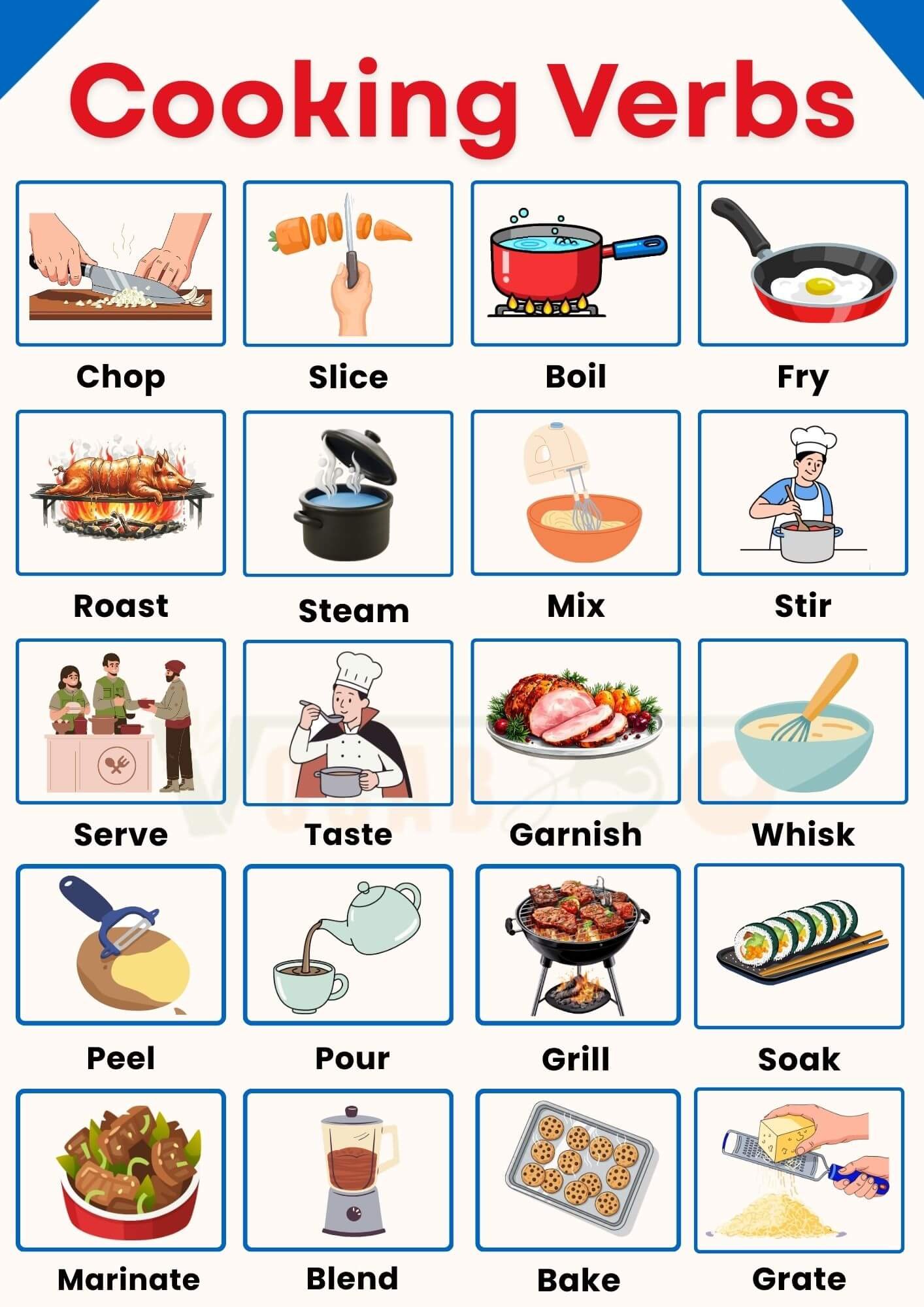
FAQs about Cooking Verbs
What are cooking verbs?
Cooking verbs are action words used to describe food preparation activities such as chop, boil, fry, bake, mix, and serve. They explain what action is done to food during cooking.
What is the verb 3 for cook?
The verb 3 (past participle) of cook is cooked. Example: The food is cooked and ready to serve.
Is kitchen a noun or verb?
Kitchen is a noun. It names a place where food is prepared and cooked. It is not used as a verb in standard English.
What are 20 cooking verbs?
Some common cooking verbs are chop, slice, peel, boil, fry, bake, grill, roast, steam, mix, stir, pour, serve, cut, wash, heat, taste, garnish, blend, and sauté.
Why are cooking verbs important in English?
Cooking verbs help people understand recipes, follow kitchen instructions, and talk clearly about food in daily conversations.
Read More:
- 100 Action Verbs in English with Pictures
- Daily Routine Verbs in English with Pictures
- Cleaning Verbs in English with Meanings and Pictures