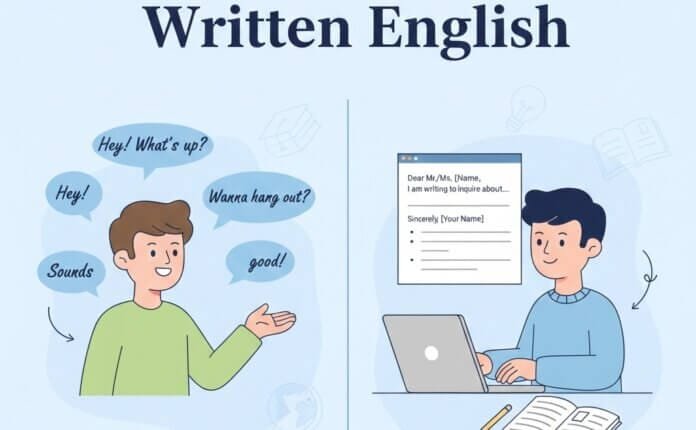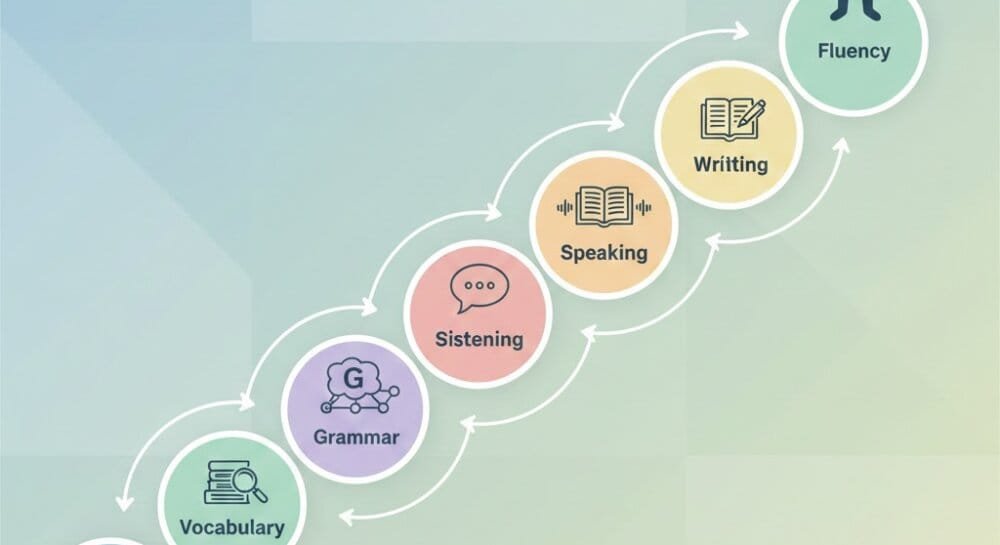
Starting your English learning journey the right way makes progress faster and easier. In this blog post, you will find a Complete English Learning Roadmap for Beginners that guides you step by step. This roadmap covers essential vocabulary, grammar, speaking, reading, writing, and listening skills to help you build a strong foundation. When you follow it consistently, your English improves steadily, your confidence grows, and you can communicate more effectively. Keep reading to explore a practical plan that will help you master English from the very beginning.
English Learning Roadmap for Beginners
This lesson helps English learners build useful vocabulary by learning words in clear topics and real-life situations. It supports better understanding of grammar, listening, speaking, reading, and writing without using difficult language. By following this roadmap, students can learn English in a steady and practical way that improves daily communication and long-term learning skills.
Why Learning English is Important
English is one of the most widely used languages in the world. It connects people across countries, cultures, education, business, and travel.
Learning English helps you:
- Communicate with people from different countries
- Study online courses and educational content
- Improve career and job opportunities
- Travel with confidence
- Understand movies, music, and books
English is not just a language—it is a life skill. And anyone can learn it with the right approach.

Start With the English Basics
Before speaking full sentences, beginners must understand the basics.
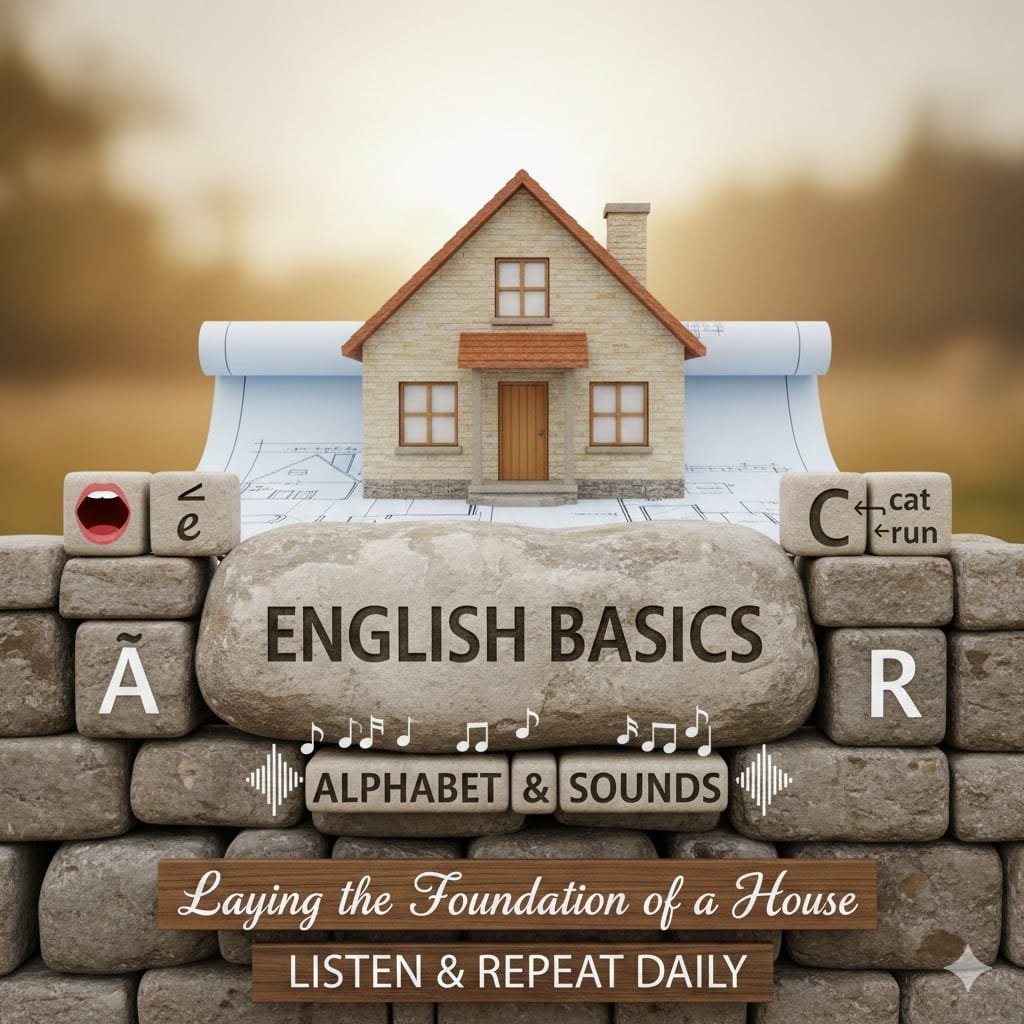
Learn the Alphabet and Sounds
- English has 26 letters
- Each letter can have more than one sound
- Focus on pronunciation, not speed
Understand Basic Sounds
- Learn vowel sounds (A, E, I, O, U)
- Practice common consonant sounds
- Listen and repeat daily
This step is like laying the foundation of a house. If the base is strong, everything else becomes easier.
Set Clear and Simple Learning Goals
Without goals, learners feel lost. Clear goals keep you motivated.
Short-Term Goals
- Learn 5–10 new words per day
- Practice English for 20 minutes daily
- Read one short English text each day
Long-Term Goals
- Hold a basic conversation
- Write simple emails or messages
- Understand spoken English clearly
Write your goals down and review them weekly. Small progress builds confidence.

Build a Strong Grammar Foundation
Grammar helps your English make sense. Beginners do not need complex rules—only useful grammar.
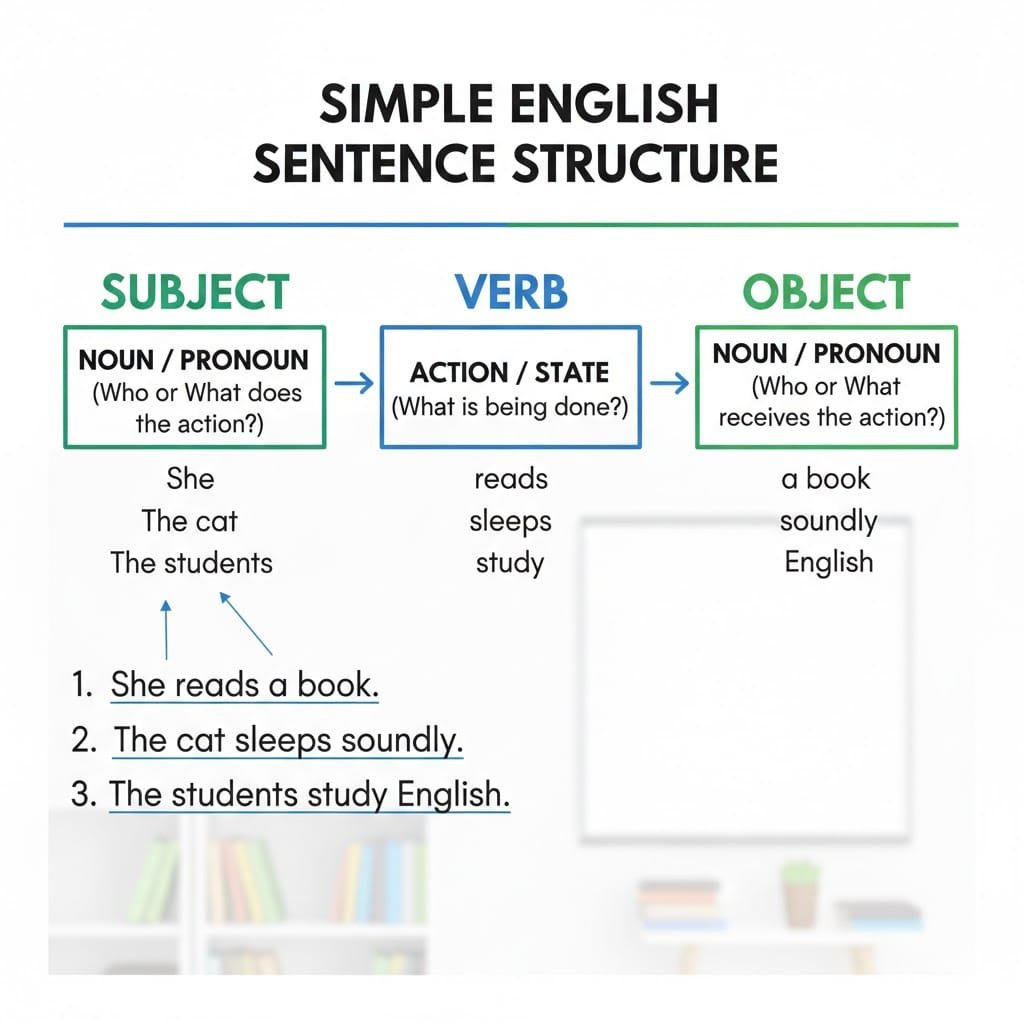
Start With Simple Sentence Structure
- Subject + Verb + Object
- I learn English.
- She drinks water.
Learn Basic Grammar Topics
- Nouns (person, place, thing)
- Verbs (action words)
- Adjectives (describing words)
- Present simple tense
Grammar should be practical, not scary. Learn it step by step.
Build Useful Vocabulary First
Vocabulary is the heart of communication.
Focus on Daily-Life Words
- Family
- Food
- Time and dates
- Work and daily activities
Learn Common Phrases
- “How are you?”
- “Can you help me?”
- “Thank you very much”
- “I don’t understand”
Use new words in sentences. Speak them out loud. This helps memory and confidence.

Improve English Listening Skills
Listening is the first real communication skill.
Easy Listening Practice
- Short videos with subtitles
- Simple podcasts
- English songs with lyrics
Daily Listening Tips
- Listen every day, even 10 minutes
- Don’t translate every word
- Focus on meaning, not perfection
Good listening improves speaking naturally.

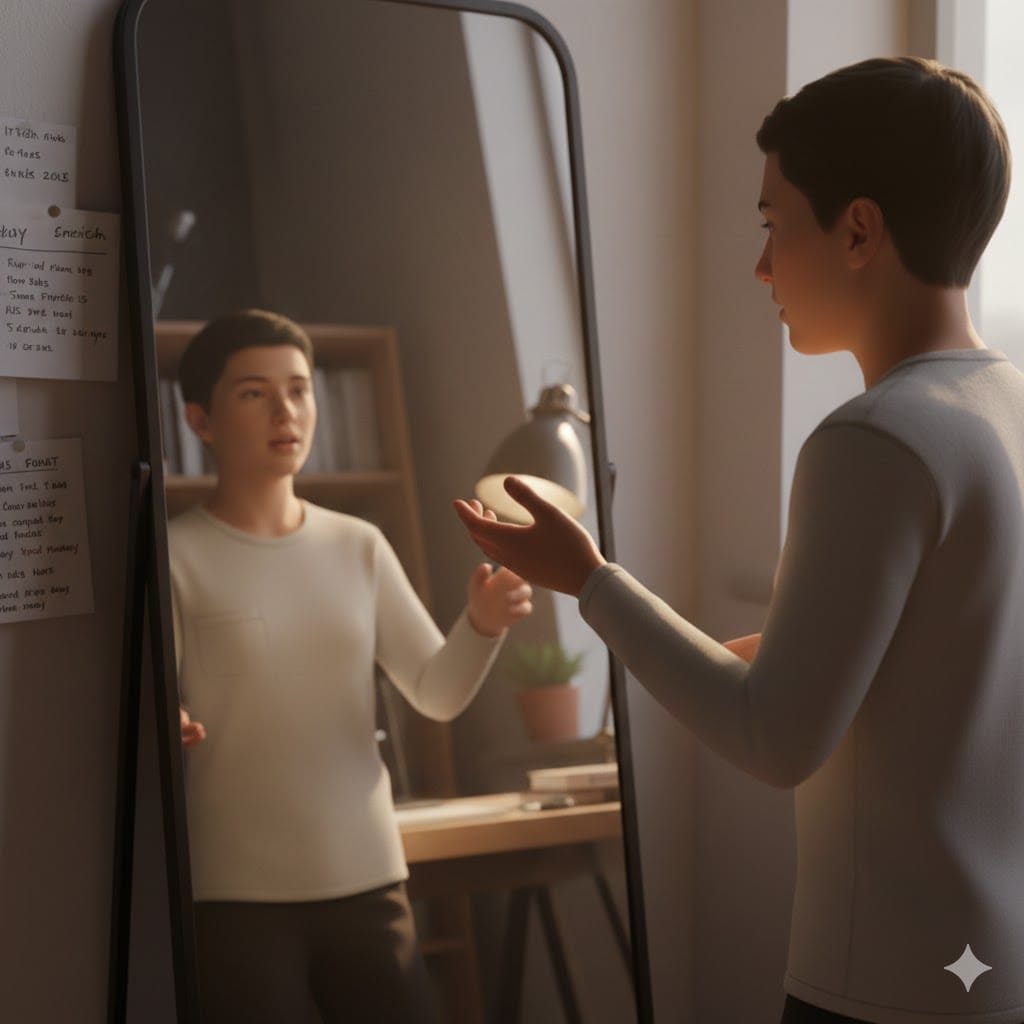
Start Speaking English Without Fear
Many learners understand English but are afraid to speak. This is normal.
Simple Speaking Practice
- Speak to yourself
- Describe your day in English
- Read aloud from simple texts
Build Confidence
- Mistakes are part of learning
- Fluency comes before accuracy
- Practice is more important than perfection
Speaking is like decorating a room—you adjust as you go.
Develop Reading Skills Step by Step
Reading helps vocabulary, grammar, and understanding.
Beginner-Friendly Reading
- Short stories
- Simple news articles
- Learning blogs
Reading Tips
- Read slowly
- Guess meaning from context
- Don’t stop for every unknown word
Reading daily makes English feel familiar and comfortable.

Learn Writing in a Simple Way
Writing helps organize your thoughts in English.
Start Small
- Write short sentences
- Keep a daily journal
- Write shopping lists or notes
Focus on Clarity
- Simple words
- Short sentences
- Clear ideas
Writing improves grammar and vocabulary naturally.

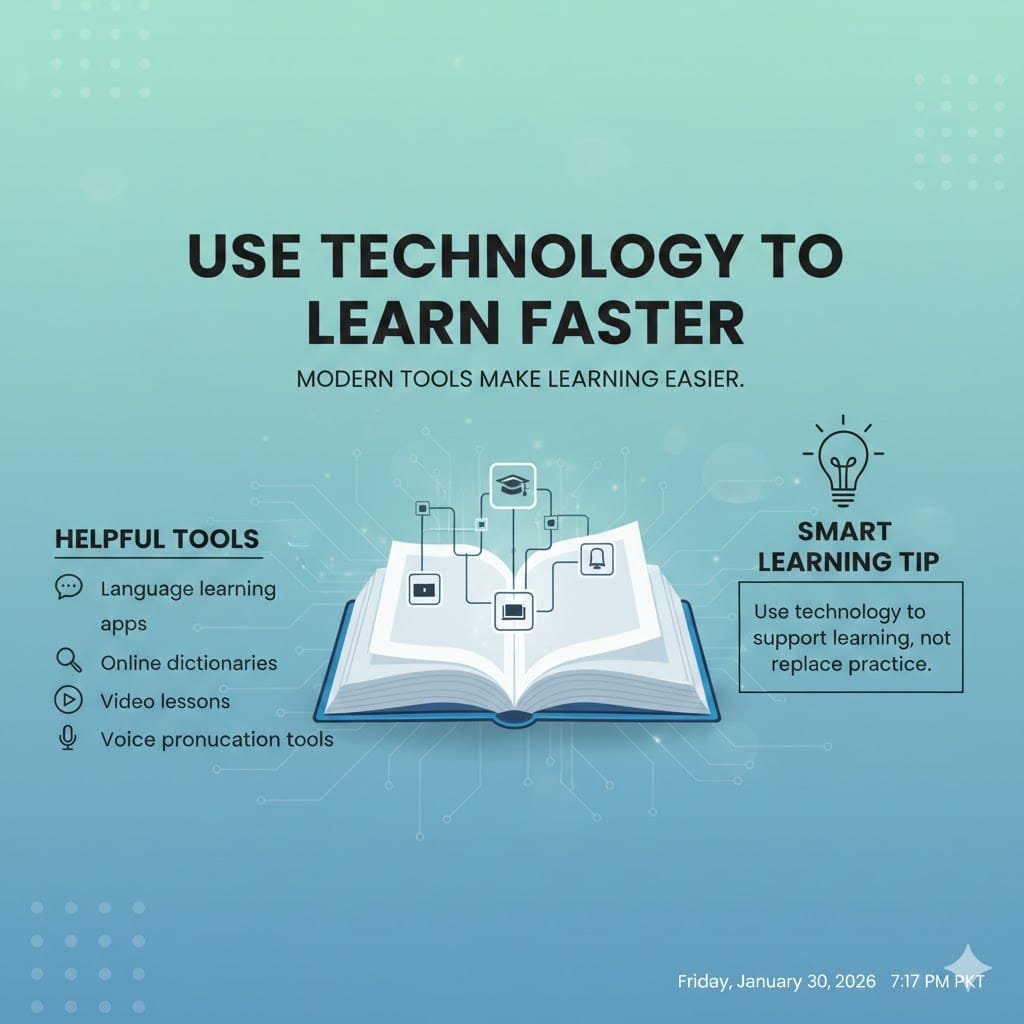
Use Technology to Learn Faster
Modern tools make learning easier.
Helpful Tools
- Language learning apps
- Online dictionaries
- Video lessons
- Voice pronunciation tools
Smart Learning Tip
Use technology to support learning, not replace practice.
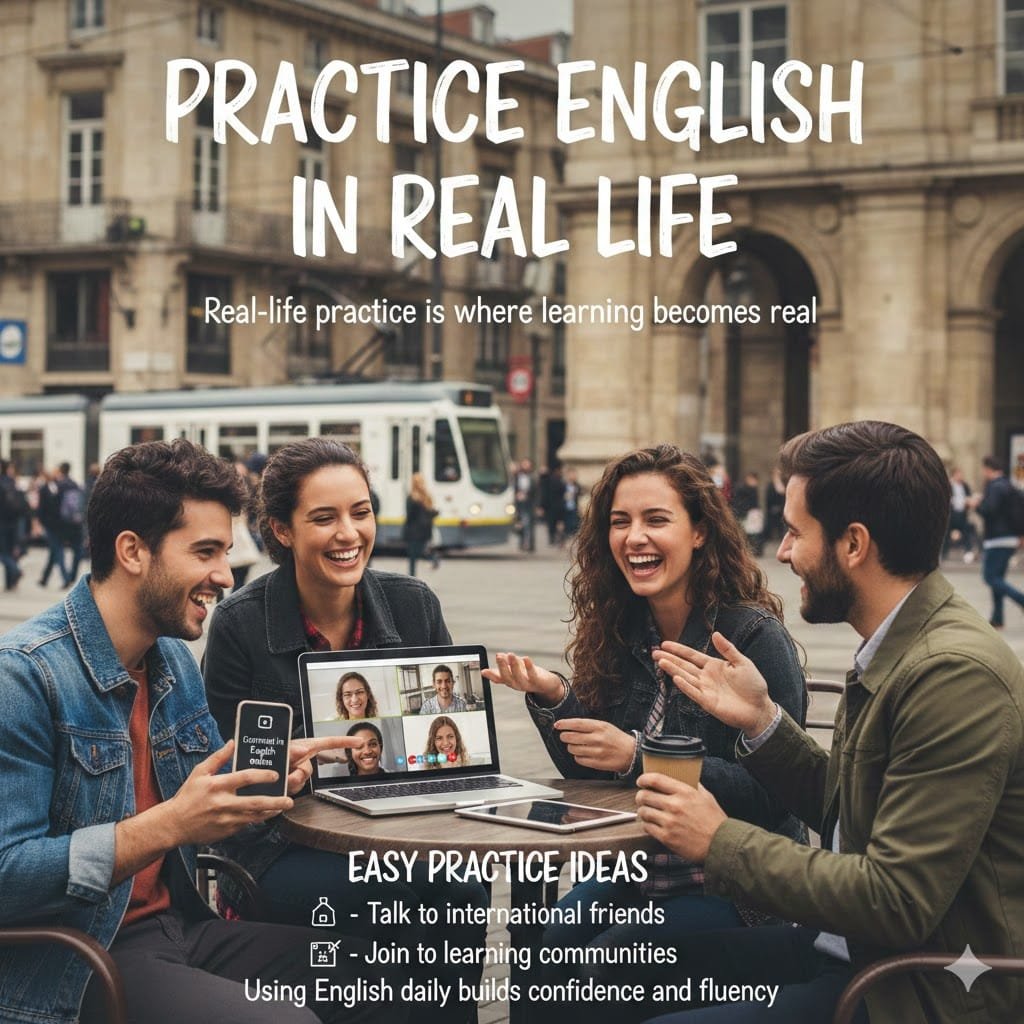
Practice English in Real Life
Real-life practice is where learning becomes real.
Easy Practice Ideas
- Talk to international friends
- Comment in English online
- Join learning communities
Using English daily builds confidence and fluency.
Common Beginner Mistakes to Avoid
Avoid these common problems:
- Trying to learn everything at once
- Being afraid of mistakes
- Skipping speaking practice
- Not reviewing learned material
Slow and steady learning always wins.
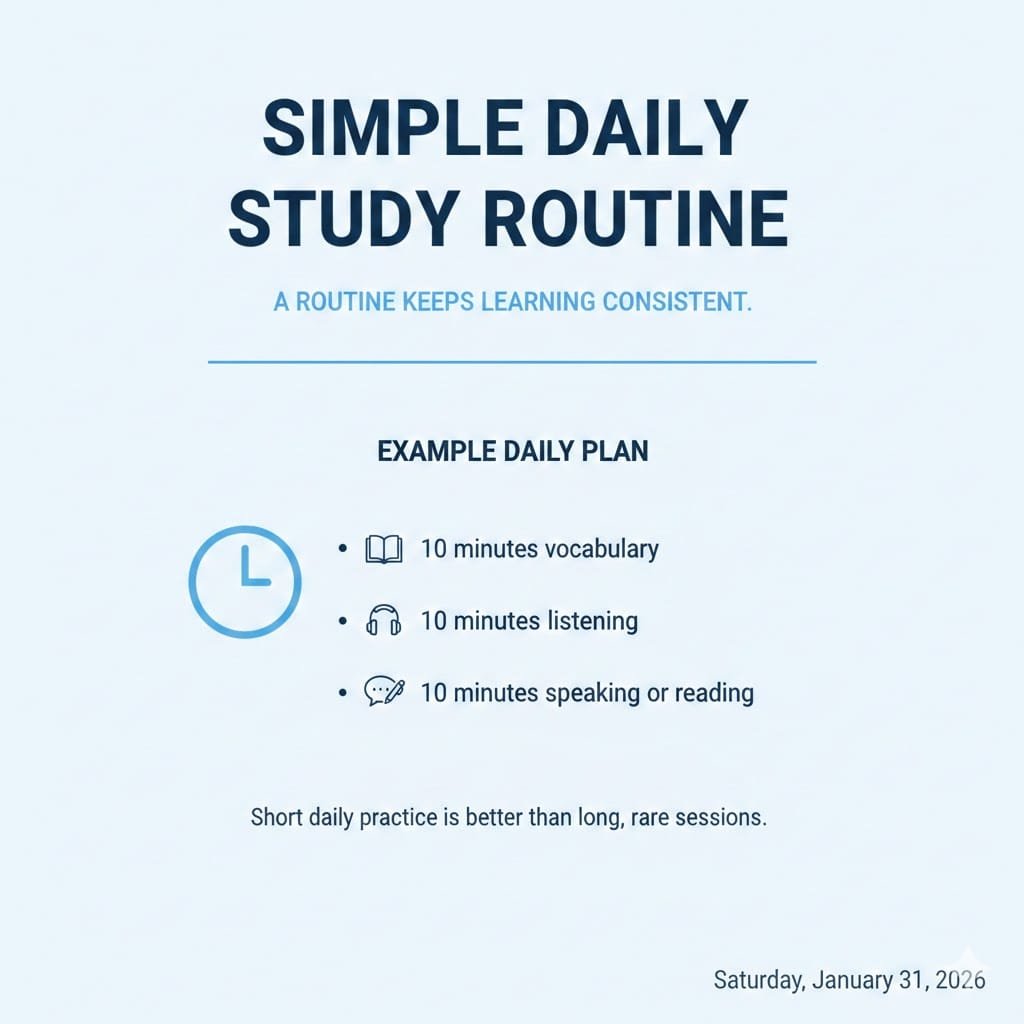
Create a Simple Daily Study Routine
A routine keeps learning consistent.
Example Daily Plan
- 10 minutes vocabulary
- 10 minutes listening
- 10 minutes speaking or reading
Short daily practice is better than long, rare sessions.
Track Progress and Stay Motivated
Track what you learn weekly. Celebrate small wins.
Motivation grows when you see progress.
Conclusion
Learning English is a journey, not a race. With this clear and simple roadmap, beginners can learn English step by step without confusion or stress. Focus on basics, practice daily, and enjoy the process. English becomes easier when learning feels natural and structured.
Frequently Asked Questions
How long does it take to learn basic English?
With daily practice, beginners can understand and speak basic English in 3–6 months.
Should I learn grammar first or speaking first?
Learn simple grammar and speaking together for better results.
Is daily practice necessary?
Yes. Even 20 minutes daily makes a big difference.
Can I learn English without a teacher?
Yes, with the right resources and consistency.
What is the best way to stay motivated?
Set small goals and track your progress weekly.