


Thinking directly in English is an important step to speak fluently and confidently. In this article, you will learn how to think in English naturally with practical tips and techniques. Developing this skill improves your vocabulary, speaking, reading, and listening, because your mind starts processing English without translation. When you practice thinking in English daily, your communication becomes faster, your sentences more accurate, and your confidence stronger. Keep reading to learn strategies that will help you master the habit of thinking in English naturally.

Thinking in English
What Does “Thinking in English” Mean?
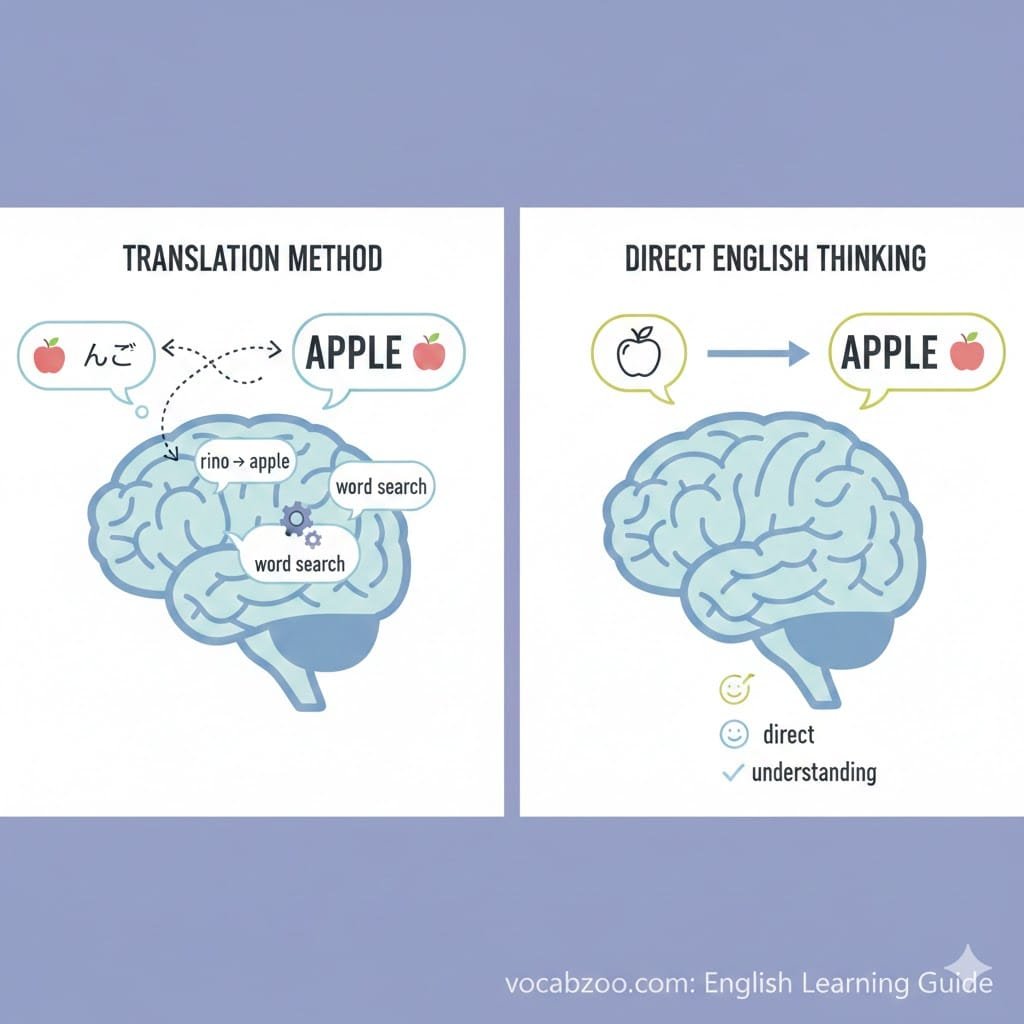
Thinking in English means you form ideas directly in English without translating from your first language. For example:
- You feel hungry → you think “I’m hungry”
- You see rain → you think “It’s raining”
There is no mental translation step. Your brain reacts in English naturally.
This skill helps you:
- Speak faster
- Understand better
- Feel more confident
- Sound more natural
Thinking in English is not magic. It is a habit that anyone can build with simple daily practice.
Why Thinking in English is Important
Many learners know English words but still struggle to speak smoothly. The main reason is translation. Translation slows your brain and creates fear of mistakes.
When you think in English:
- Your speaking becomes smooth
- Your listening improves
- Your confidence grows
- You enjoy learning more
Just like a well-designed room makes you feel relaxed, thinking in English removes pressure and makes communication comfortable.
Common Problems Learners Face
Before fixing the problem, it’s important to understand it.
1. Translating from the First Language
This is the most common issue. Your brain checks your native language first, then English. This causes pauses and confusion.
2. Fear of Making Mistakes
Many learners wait for perfect sentences. This stops natural thinking.
3. Too Much Focus on Grammar
Grammar is important, but thinking should come first. Even native speakers don’t think about grammar rules.
The Right Mindset to Think in English
Thinking in English starts in the mind, not the book.
Accept Simple English
You don’t need big words. Simple English is powerful and correct.
Mistakes Are Part of Learning
Mistakes mean your brain is working. Avoiding mistakes means no progress.
Consistency Is More Important Than Time
10 minutes every day is better than 2 hours once a week.
Start Thinking in English with Simple Steps
1. Think in Single Words First
Start small. This reduces pressure.
Examples:
- Tired
- Water
- Cold
- Happy
Your brain slowly gets used to English without stress.
2. Name Things Around You in English
Look around and name objects in English:
- Table
- Phone
- Window
- Door
This is one of the fastest ways to train your brain.
3. Use English in Your Inner Voice
Replace small thoughts with English:
- “What am I doing?”
- “I need coffee.”
- “I’m late.”
You don’t need full conversations at first.
Think in English During Daily Activities
Daily life is your best classroom.
While Walking or Travelling
- “I’m walking fast.”
- “The street is busy.”
- “The weather is nice.”
While Cooking or Cleaning
- “I’m cutting vegetables.”
- “The water is hot.”
- “This smells good.”
These moments feel natural and help English stick in your mind.

Use Pictures Instead of Translation
Your brain loves images more than words.
Connect Words with Images
When learning a word, imagine it.
Example: Apple → imagine an apple, don’t translate it.
Avoid Mental Dictionaries
Instead of thinking:
Apple = [native language word]
Think:
Apple = picture + meaning
This builds direct English thinking.
Build Useful Vocabulary for Thinking
Vocabulary helps your thoughts flow.
Learn Words in Sentences
Words make more sense in context:
- “Take a break”
- “Make a decision”
- “Feel tired”
Use Common Phrases
Native speakers think in phrases, not single words. This makes your English sound natural.
Avoid Long Word Lists
Quality is better than quantity.

Improve Thinking Through Listening
Listening shapes how you think.
Choose Easy and Clear Content
- Short videos
- Simple podcasts
- Daily conversations
Listen Every Day
Even 10–15 minutes daily helps your brain adjust to English sounds and patterns.
Repeat What You Hear
This trains your thinking speed and pronunciation together.
Talk to Yourself in English
This is one of the most powerful techniques.
Why It Works
- No pressure
- No fear
- Full control
How to Do It
- Talk about your day
- Share your plans
- Describe your feelings
You don’t need perfect sentences—just real thoughts.
Think in English Through Writing
Writing slows your thinking in a good way.
Keep a Simple English Journal
Write:
- What you did today
- How you feel
- What you plan tomorrow
No Correction Pressure
Focus on expressing ideas, not perfection.
Writing helps your brain organize English thoughts clearly.
What to Do When You Forget Words
This happens to everyone.
Describe the Idea
Instead of stopping or translating:
- “The thing you use to cut paper” (scissors)
- “The place where you buy medicine” (pharmacy)
This keeps your thinking in English.
Stay Calm
Pauses are normal in real communication.
How Long Does It Take to Think in English Naturally?
There is no fixed time. Progress depends on:
- Daily exposure
- Practice habits
- Confidence level
Some learners feel changes in weeks, others in months. The key is daily English contact.
Signs You Are Improving
You may notice:
- Faster reactions in English
- Less translation
- English thoughts during daily life
- Better understanding while listening
These are real signs of success.
Common Mistakes to Avoid
- Trying to sound advanced too early
- Memorizing without using words
- Comparing yourself with others
- Waiting for perfect English
Simple, natural English is always better.
Final Thoughts
Thinking in English naturally is like designing a comfortable living space—it should feel easy, familiar, and welcoming. When English becomes part of your daily thoughts, learning feels lighter and more enjoyable.
Start small. Be patient. Stay consistent.
Your brain will adapt—naturally.
Frequently Asked Questions
What does “How to Think in English Naturally” mean?
How to Think in English Naturally means forming ideas directly in English without translating from your first language. This skill helps learners speak faster, understand better, and use vocabulary correctly. It trains the brain to connect English words with meaning, not with another language.
Why is thinking in English important for English learners?
Thinking in English is important because translation slows communication and causes hesitation. When learners think directly in English, they respond faster, understand conversations more clearly, and feel more confident. It also helps vocabulary become active and usable in real-life situations.
How do I start thinking in English?
You can start thinking in English by using simple words for daily thoughts, such as naming objects or actions around you. Begin with single words, then short sentences. Practice during routine activities so your brain slowly accepts English as a normal thinking language.
How to train the brain to think in English naturally?
To train the brain to think in English, expose yourself to English daily through listening, reading, and speaking. Avoid translation and connect words to meaning or images. Consistent practice helps the brain build natural language patterns over time.
How can I train my brain to speak English fluently?
You can train your brain to speak English by thinking in English before speaking. Talk to yourself, repeat simple sentences, and use common phrases. This reduces hesitation and helps vocabulary come naturally during conversations.
How to think in English in 68 minutes?
You cannot fully learn how to think in English naturally in 68 minutes, but you can start the process. Use focused practice such as naming objects, thinking simple thoughts, and listening to clear English. These exercises help activate English thinking quickly.
Is thinking in English correct even if grammar is not perfect?
Yes, thinking in English is correct even with imperfect grammar. The goal is understanding and expression, not accuracy at first. Grammar improves naturally as learners continue using English regularly in thinking, listening, and speaking.
Does thinking in English help build vocabulary faster?
Thinking in English helps build vocabulary faster because words are learned through meaning and use, not memorization. When learners think in English, new words become active and easier to remember, making everyday communication smoother and more natural.