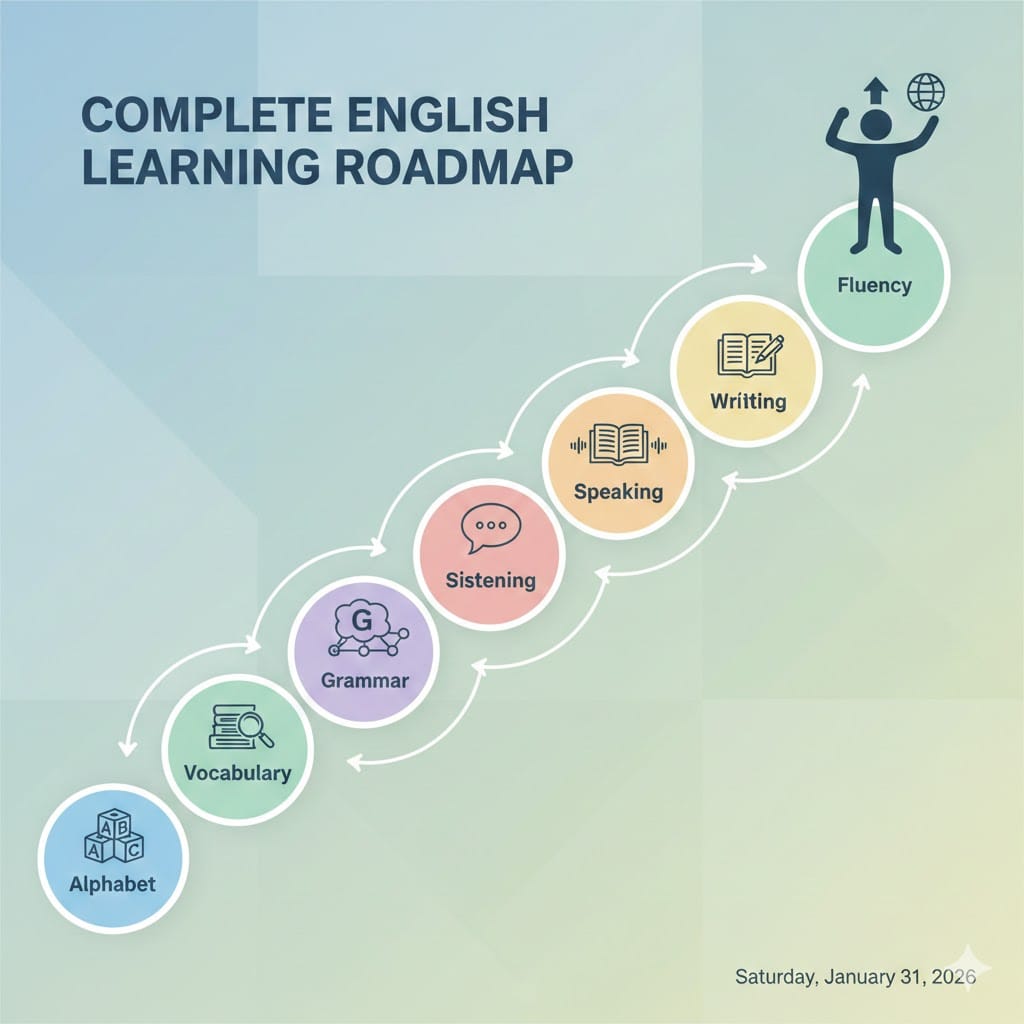
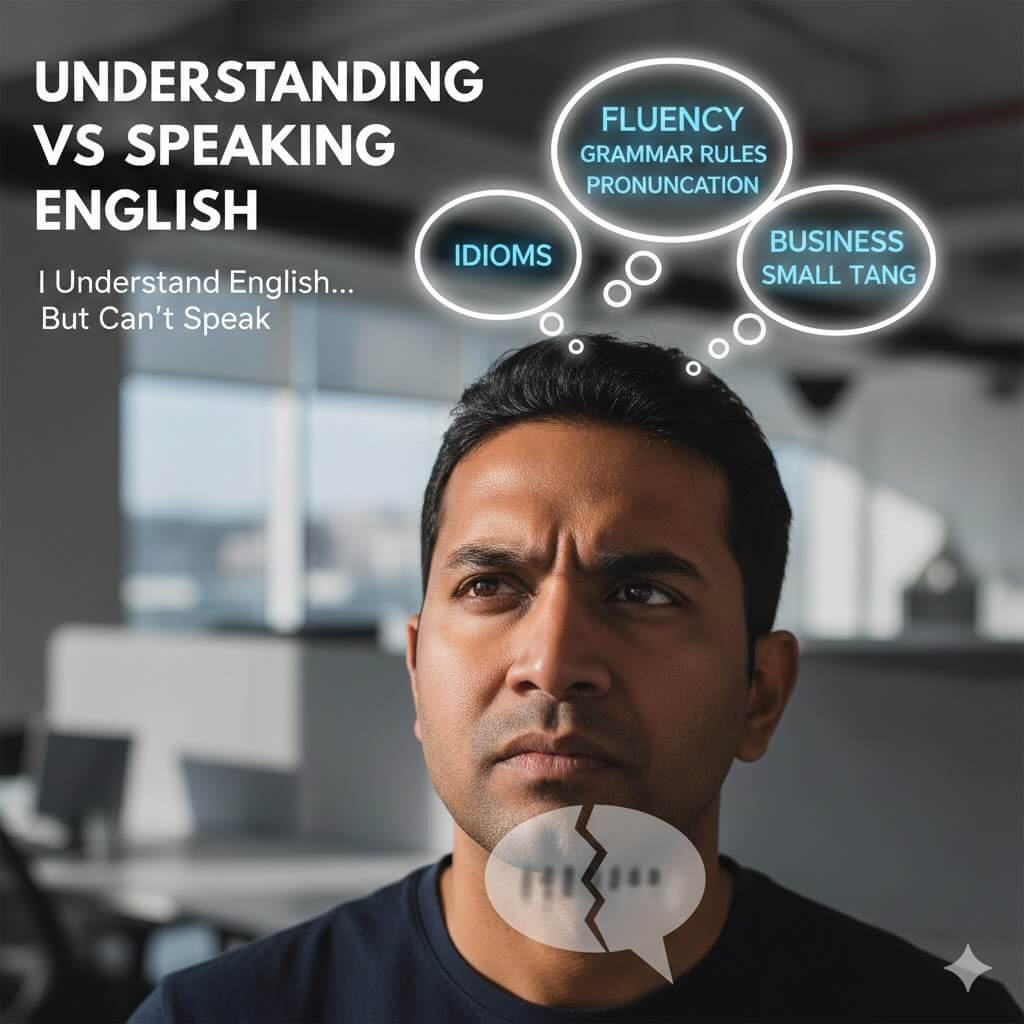

Many English learners can understand what they hear or read but struggle to speak fluently. In this blog post, you will learn why you understand English but can’t speak it and practical ways to overcome this problem. The main reason is often limited vocabulary and lack of speaking practice, even if listening and reading skills are strong. When you focus on speaking regularly, practicing sentences, and thinking in English, your confidence grows, and your communication improves. Keep reading to discover strategies that will help you master speaking English naturally.
Understanding English and Speaking English Are Different Skills
One of the biggest misunderstandings in language learning is thinking that understanding and speaking are the same skill. They are not.
- Understanding English is a passive skill
- Speaking English is an active skill
Passive skills mean you receive information. Active skills mean you produce information.
Think of it like home décor design:
- Looking at beautiful rooms online is easy.
- Designing and decorating your own room takes practice, tools, and confidence.
In the same way, listening and reading are easier than speaking. Speaking requires your brain to work faster and do many things at once.

Your Brain Is Trained to Understand, Not to Speak
Most learners spend years doing these activities:
- Reading textbooks
- Listening to teachers
- Watching videos
- Using language apps
All of this trains your brain to recognize English, not to use English.
When you listen or read:
- You have time
- You don’t need to respond
- You don’t feel pressure
But when you speak:
- You must think fast
- Choose the right words
- Use grammar
- Pronounce correctly
- Speak in real time
Your brain was never trained for this kind of “live performance.” So it freezes.
This is not laziness or lack of intelligence. It is simply lack of speaking training.
You Know Many Words, But You Can’t Use Them
Many learners have a big vocabulary. They recognize many English words when reading or listening. But speaking needs a different type of vocabulary.
There are two types of vocabulary:
- Passive vocabulary
Words you understand when you see or hear them - Active vocabulary
Words you can use easily when speaking
Most learners have:
- Large passive vocabulary
- Small active vocabulary
This is why:
- You understand others
- But struggle to express your own ideas
Your words are in your brain, but they are not ready for quick use.
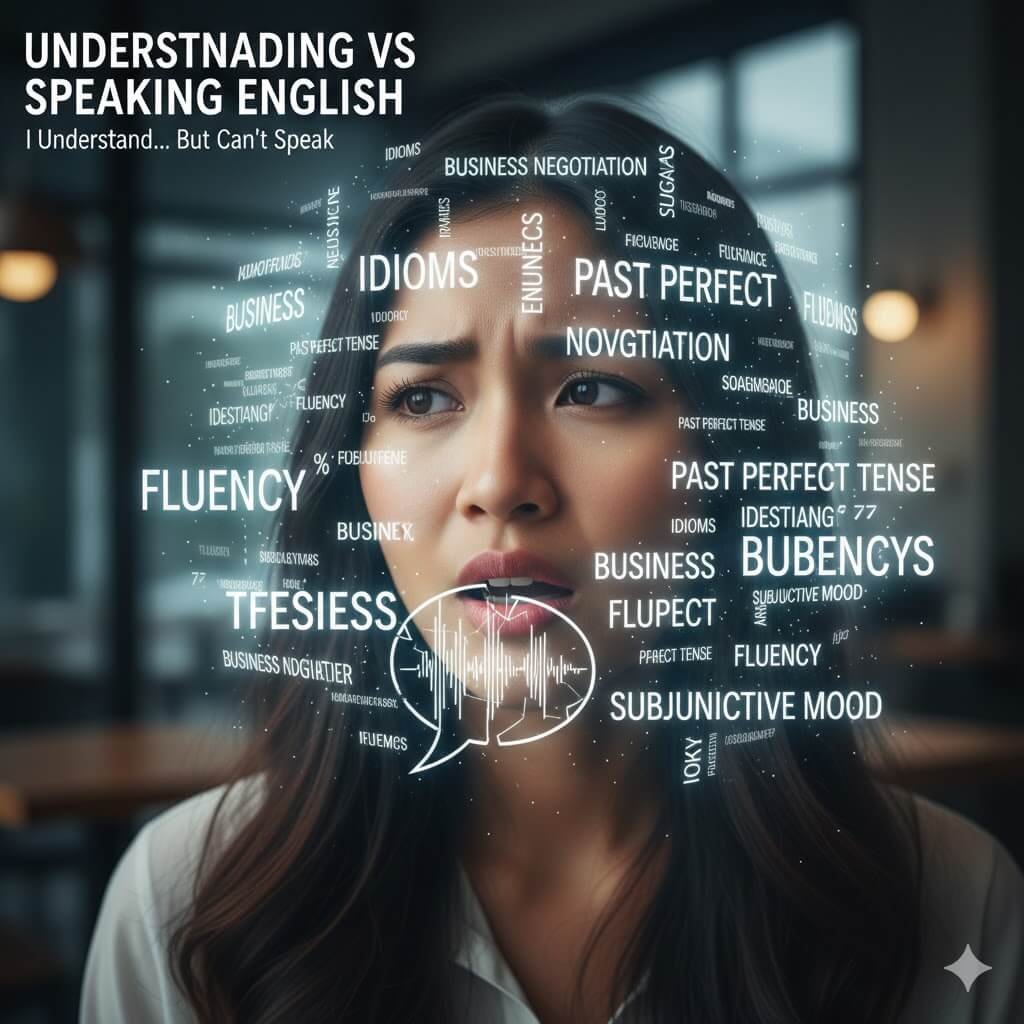
You Translate in Your Head (And It Slows You Down)
Many English learners think like this:
- Think in native language
- Translate to English
- Check grammar
- Try to speak
This process is very slow.
By the time you finish translating:
- The conversation has moved on
- You feel nervous
- You stay silent
Fluent speakers do not translate. They think directly in English. This skill only develops through regular speaking, not through more studying.
Translation is useful at beginner level, but it becomes a big barrier later.
Fear Is Blocking Your Speaking Ability
Fear is one of the strongest reasons people can’t speak English.
Common fears include:
- Fear of making mistakes
- Fear of wrong grammar
- Fear of bad pronunciation
- Fear of being judged
- Fear of sounding “not smart”
These fears create stress. Stress blocks the brain. When stress is high:
- Your mind goes blank
- Words disappear
- Your body chooses silence
This is a natural human reaction. Your brain thinks silence is safer than risk.
But here is the truth:
Mistakes are a normal and necessary part of speaking.

You Want to Speak Perfectly (This Is a Trap)
Many learners wait until they feel “ready” to speak. They want:
- Perfect grammar
- Perfect sentences
- Perfect pronunciation
This perfection mindset stops progress.
In real life:
- Native speakers make mistakes
- People speak with accents
- Communication matters more than correctness
Speaking English is not an exam. It is a tool.
Just like decorating a home:
- You don’t wait for the perfect sofa before living in the house
- You improve step by step
Fluency comes from using English imperfectly, again and again.
You Practice Listening a Lot, But Speaking Very Little
Listening is helpful, but it is not enough.
Speaking is a physical skill:
- Your mouth
- Your tongue
- Your muscles
These muscles need training.
If you never speak:
- Your mouth is not trained
- Your brain is not used to producing sounds
- Speaking feels unnatural
This is similar to:
- Watching fitness videos without exercising
- Reading about swimming without entering water
To speak well, you must speak often.
School and Traditional Learning Methods Are Part of the Problem
Many people learned English in school, where:
- Grammar was the main focus
- Speaking was limited
- Mistakes were corrected harshly
- Exams were more important than communication
This creates learners who:
- Know rules
- Fear mistakes
- Avoid speaking
English is a living language, not just a subject. Real communication was missing for many learners.

Adults Learn Languages Differently Than Children
Children speak without fear. Adults think too much.
Adults:
- Analyze every sentence
- Worry about being correct
- Compare themselves to others
Children:
- Speak first
- Correct later
- Learn naturally
As adults, we must accept imperfection to move forward.
You Don’t Have a Daily Speaking Habit
Speaking once a week is not enough.
Fluency grows from:
- Small daily practice
- Short conversations
- Repeated use of simple sentences
Even:
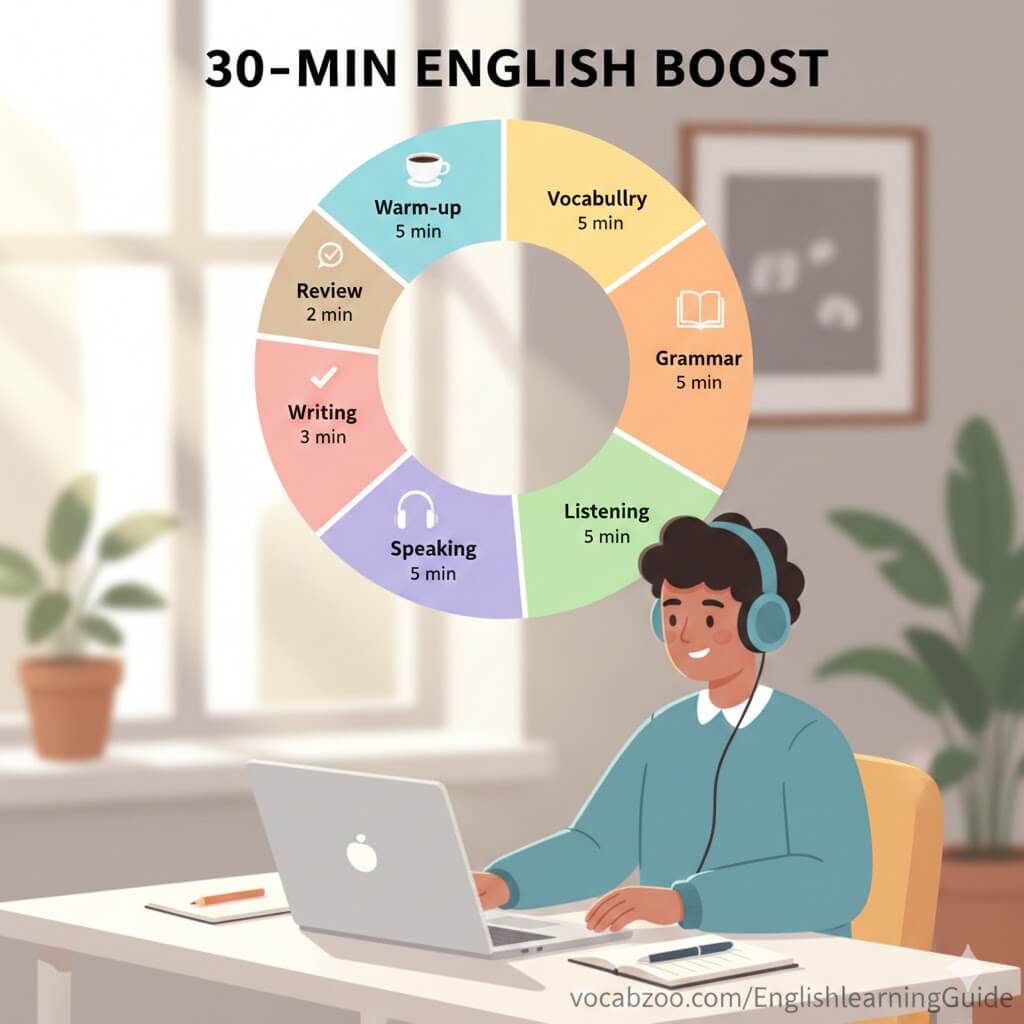
- 10 minutes a day
- Speaking alone
- Describing your day
These small habits build strong speaking skills over time.
Your Accent Is Not the Real Problem
Many learners worry about accent. This worry is unnecessary.
Important facts:
- Accent is normal
- Everyone has an accent
- Clear communication matters more than accent
Your goal is:
- To be understood
- Not to sound “perfect”
Most listeners care about clarity, not accent.
How to Turn Understanding into Speaking
Here are simple, effective steps:
- Speak every day, even alone
- Use simple sentences
- Stop translating in your head
- Accept mistakes
- Focus on communication, not perfection
- Practice common phrases
- Repeat out loud what you hear
- Think in English for daily tasks
Consistency is more important than talent.
Final Thoughts
Understanding English but not speaking it is not a failure. It is a stage in learning. Your brain understands English because you trained it to understand. Now it’s time to train it to speak. Speaking English is a skill, not a gift. Skills grow with practice, patience, and the right mindset.
Start small. Speak daily. Let go of fear.
Frequently Asked Questions
Is it normal to understand a language but can’t speak it?
Yes, it is completely normal. Many people understand a language well but struggle to speak it. This happens because listening and reading are passive skills, while speaking is an active skill that needs regular practice. If you mostly listen and read English but rarely speak it, your brain is trained to understand, not to produce sentences.
Why can you understand English but struggle to speak in English?
You struggle to speak English because your brain is not used to forming sentences quickly. Understanding allows time to process meaning, but speaking requires instant word choice, grammar, and pronunciation. Fear of mistakes, mental translation, and lack of speaking practice also make speaking difficult.
What is someone called when they understand a language but can’t speak it?
A person who understands a language but cannot speak it well is often called a passive bilingual or receptive bilingual. This means they can understand spoken or written language but have limited ability to speak or produce it confidently.
Is understanding English easier than speaking it?
Yes, understanding English is easier than speaking it. Listening and reading do not require immediate responses, while speaking demands quick thinking, correct grammar, and confidence. That is why many learners can understand conversations but feel blocked when they try to speak.
Does fear stop people from speaking English fluently?
Yes, fear plays a major role. Fear of making mistakes, sounding wrong, or being judged can cause anxiety. Anxiety blocks the brain and makes it harder to remember words. When fear is reduced through regular practice, speaking becomes much easier.
Can you become fluent without speaking practice?
No, fluency is not possible without speaking practice. Listening and reading help build understanding, but speaking trains your brain and mouth to work together. Even short daily speaking practice is essential to turn understanding into real communication skills.
What is the 3 hardest language to learn?
There is no single answer, but many experts consider Mandarin Chinese, Arabic, and Japanese among the hardest languages to learn for English speakers. These languages have complex writing systems, pronunciation, and grammar that are very different from English.
How long does it take to speak English confidently?
The time varies for each learner, but with daily speaking practice, many people see improvement within a few months. Confidence grows faster when learners focus on communication instead of perfection and practice speaking regularly in real-life situations.
Explore More